How to Optimize Your Website for Mobile Users
How to Optimize Your Website for Mobile Users
With mobile devices accounting for the majority of web traffic, optimizing your website for mobile users is critical. A poorly optimized mobile experience can lead to high bounce rates and lost customers. Here's how to get it right.
Responsive Design is Essential
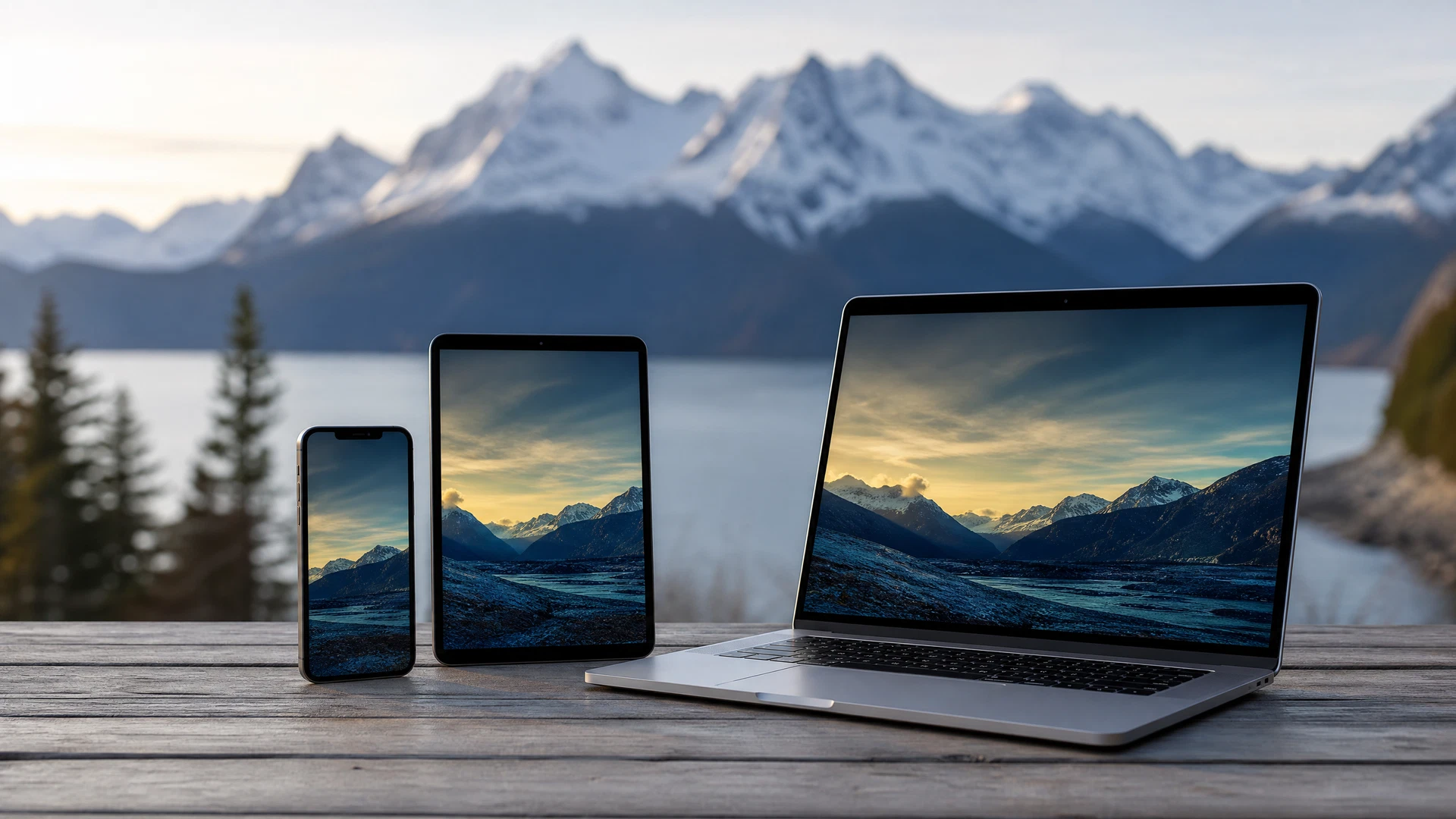
Responsive design automatically adjusts your website's layout based on the screen size. This ensures your site looks great on smartphones, tablets, and desktops. Use flexible grids, flexible images, and CSS media queries to create a truly responsive experience.
Page Speed Matters
Mobile users have less patience than desktop users. Slow-loading pages lead to abandonment. Optimize images, minimize code, leverage browser caching, and use a Content Delivery Network (CDN) to improve load times.
Simplify Navigation
Mobile screens have limited space. Simplify your navigation menu, use hamburger menus effectively, and ensure buttons and links are large enough to tap easily. Avoid cluttering your mobile interface with too many options.
Optimize Forms
Forms should be simple and easy to complete on mobile. Use single-column layouts, large input fields, and minimize the number of required fields. Mobile users are more likely to abandon complex forms.
Readable Text
Ensure text is large enough to read without zooming. Use a minimum font size of 16px for body text. Maintain good contrast between text and background colors for readability.
Touch-Friendly Interface
Design for touch, not mouse clicks. Buttons and interactive elements should be large enough to tap accurately. Avoid hover states that don't work on touch devices.
Test on Real Devices
Don't rely solely on browser emulators. Test your website on real mobile devices to identify issues that simulators might miss.
Conclusion
Mobile optimization is an ongoing process. Regularly test your website, monitor mobile traffic metrics, and make improvements based on user behavior. A mobile-optimized website is essential for success in today's digital landscape.
Related Services
Explore All Our Services
Discover how Harris907 can help your Alaska business succeed online.
View All Packages